

EUI Holds Digital Transformation Dialogue Ahead of Egypt Forum 2026

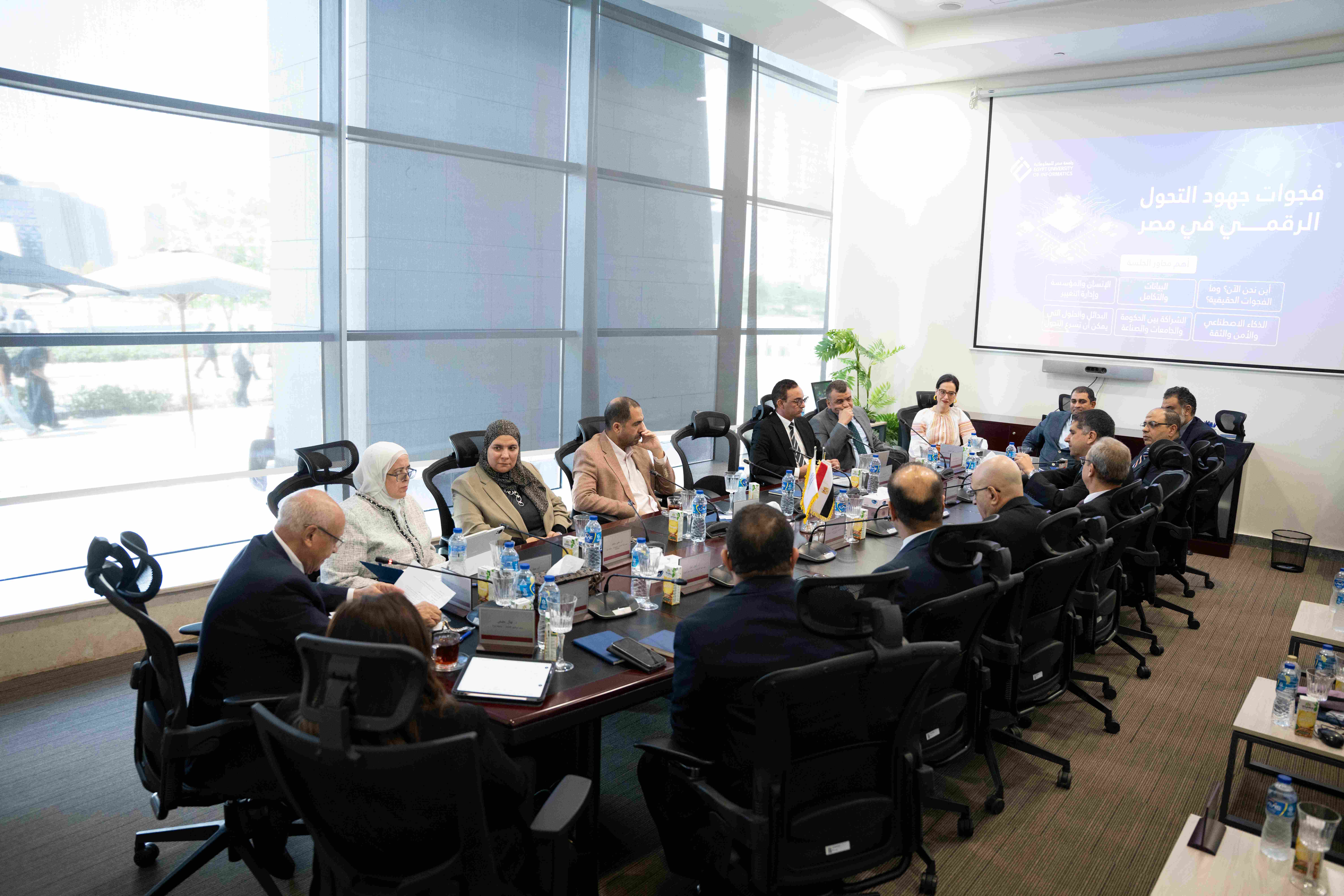
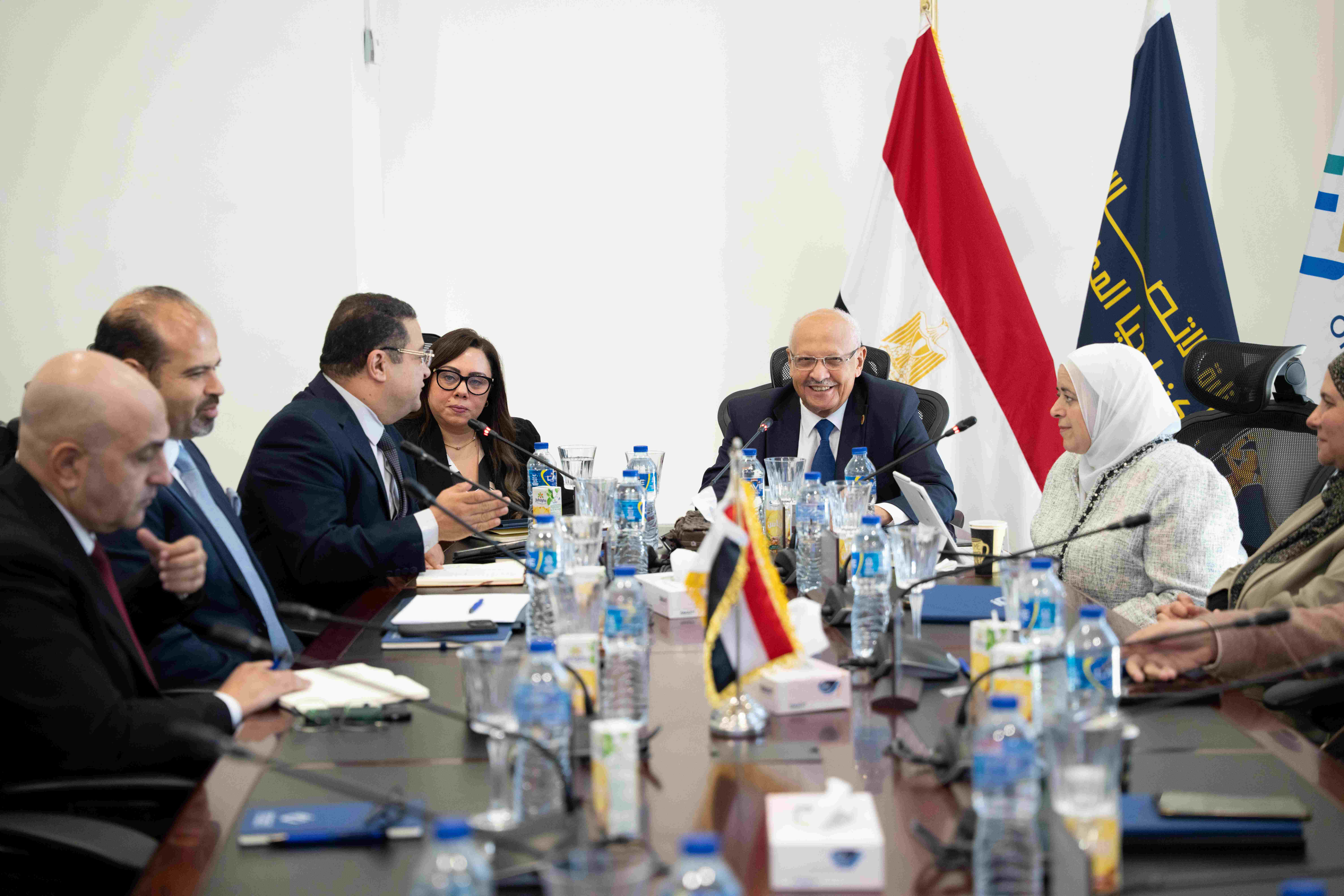
As part of the preparations for "Egypt Forum 2026," Egypt University of Informatics hosted a panel discussion on digital transformation at the university's campus in Knowledge City in the New Administrative Capital, with representatives from government entities, the private sector, and academic institutions taking part. The session reviewed the current state of digital transformation, key gaps and challenges, ways to strengthen data integration, institutional and human capacity building, and change management. It also discussed the role of artificial intelligence and cybersecurity in building trust in the digital environment. In addition, the session examined mechanisms for strengthening partnerships among government, universities, and the private sector, as well as ideas and solutions that could accelerate digital transformation efforts.
The discussions concluded with several recommendations, most notably prioritizing digital transformation governance and strengthening data integration, and adopting a unified data classification that identifies the entities responsible for data, its quality, and access permissions.
The participants also recommended redesigning services around the needs of citizens and institutions, and linking digital investments to tangible outcomes that improve service quality, raise productivity, and enhance economic competitiveness.
The recommendations also included establishing a regular mechanism that brings together government, universities, industry, and students to present specific challenges and fund the development of joint solutions to address them. They further called for developing curricula and training programs in partnership with industry, incorporating real-world projects, hands-on training, and flexible professional certifications without compromising scientific foundations and critical thinking, and preparing graduates who combine technical skills with business understanding, design, and user experience.
The recommendations also covered promoting the responsible use of artificial intelligence so that its applications deliver tangible impact, and supporting Arabic solutions and models suited to the Egyptian context, while assessing accuracy, bias, and risk, and ensuring human oversight of decisions that affect rights, health, or financial interests.